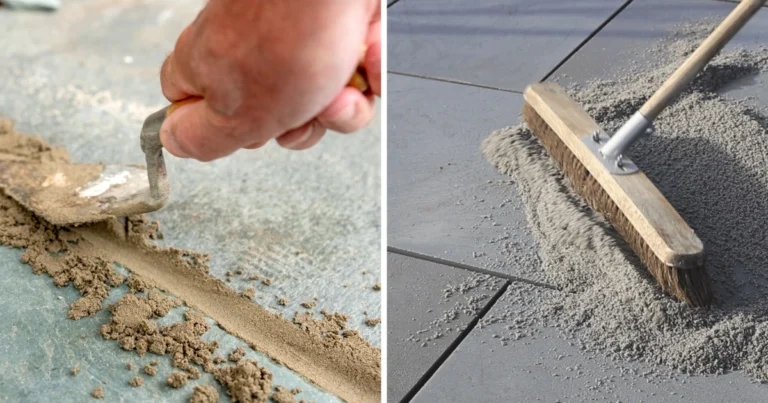
How to Mix Cement?
How to Mix Cement: Complete Step-by-Step Guide
How to mix cement may seem like a daunting task. However, you can master this essential DIY skill easily. You just need the right tools, materials, and techniques.
Whether preparing a base for garden paving or working on a construction project, this guide will help. This “how to make cement mix” article walks you through the entire process. You will learn everything from start to finish.
Learning this skill saves you money on home renovations. It also gives you total control over your project. Many beginners feel intimidated by the chemical mixing process. Yet, the basic steps are actually very straightforward.
First, you must understand the difference between cement, mortar, and concrete. Cement is simply the binding ingredient. It activates when you add water. Mixing it with sand creates mortar for bricks. Adding gravel creates strong concrete for foundations.
Safety is your top priority during this home project. Cement powder is highly caustic. It can easily irritate your skin and lungs. Always wear heavy-duty gloves, safety goggles, and a dust mask.
Next, gather your essential tools before starting. You will need a sturdy shovel, a wheelbarrow, and a measuring bucket. Consistent measurements ensure your mixture achieves maximum strength. Poorly mixed material will crumble, crack, or fail under weight.
We will cover the perfect ingredient ratios for standard projects. You will also learn the correct manual mixing techniques. Alternatively, we will explain how to use a mechanical mixer for larger jobs.
By the end, you can mix any batch with complete confidence. Let us dive into the step-by-step instructions below. You will achieve professional, long-lasting results on your very first try.

Table of Contents
Step 1: Tools and Materials Needed for Effective Cement Mixing
Before you begin mixing cement, gather the necessary tools and materials. Here’s a comprehensive list to ensure you’re prepared:
Tools:
- Cement mixer or wheelbarrow
- Shovel or hoe
- Measuring bucket
- Trowel
- Safety goggles
- Gloves
- Dust mask
Materials:
- Portland Cement
- Sand
- Gravel (optional, for concrete)
- Water
- Additives (optional, for enhanced performance)
Having these items ready will streamline the cement mixing process and help you achieve a consistent mix.
Step 2: Preparing Your Cement Mix – Dry Mix and Water Integration
The first step in mixing cement is to prepare the dry mix before adding water. This ensures an even distribution of materials, which is crucial for a strong, durable mix.
How To Mix Cement & Sand:
- Measure the Ingredients
Use the measuring bucket to portion out the cement, sand, and gravel (if making concrete). A typical mix ratio for concrete is 1 part cement, 2 parts sand, and 3 parts gravel. - Combine the Dry Ingredients
In a wheelbarrow or cement mixer, combine the measured cement, sand, and gravel. Mix thoroughly until the blend is consistent in colour and texture.
Once the dry mix is ready, it’s time to add water.

Adding Water:
- Create a Well in the Dry Mix
Make a small crater in the centre of the dry mix to pour water into. - Gradually Add Water
Slowly add water to the mix, using the shovel or hoe to combine it with the dry ingredients. The goal is to achieve a smooth, workable consistency. Too much water can weaken the mix, so add it gradually.

Step 3: Mixing Techniques: Hand Mixing vs. Cement Mixer Use
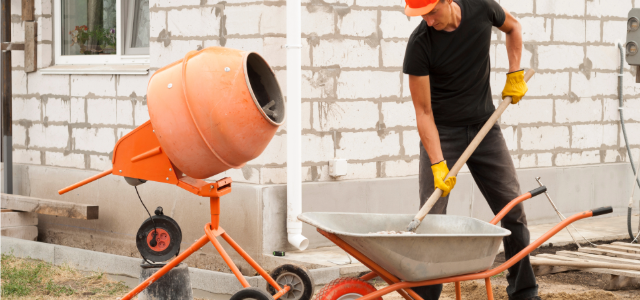
Depending on the scale of your project and the equipment available, you can mix cement by hand or with a cement mixer.
How To Mix Cement By Hand?
- Use a Wheelbarrow, Mixing Tray or Bucket
Place the dry mix in a wheelbarrow or mixing tray. - Add Water Gradually
Slowly pour water into the mix, combining with a shovel or hoe. Continue to mix until all ingredients are thoroughly integrated, and the cement has a uniform consistency.

Use Cement Mixer: How to mix cement in a mixer?
- Load the Mixer
Add the dry mix into the cement mixer. - Add Water
Turn on the mixer and slowly add water. Allow the mixer to run until the mix reaches a consistent, workable texture.
Using a cement mixer is more efficient for larger projects, while hand mixing is suitable for smaller tasks or when a mixer isn’t available.
Step 4: The Ideal Cement Mix Ratio
Achieving the correct mix ratio is critical for the strength and durability of your cement. Here are some common mix ratios:
Concrete:
- 1 part cement
- 2 parts sand
- 3 parts gravel
Mortar:
- 1 part cement
- 4 to 5 parts sand
Render:
- 1 part cement
- 3 to 5 parts sand
Adjust the ratios based on the specific requirements of your project. The key is to maintain a balance that ensures workability and strength.
Step 5: Finishing and Sealing Freshly Mixed Cement
After mixing and applying your cement, finishing and sealing are crucial steps to ensure durability and appearance.
Finishing:
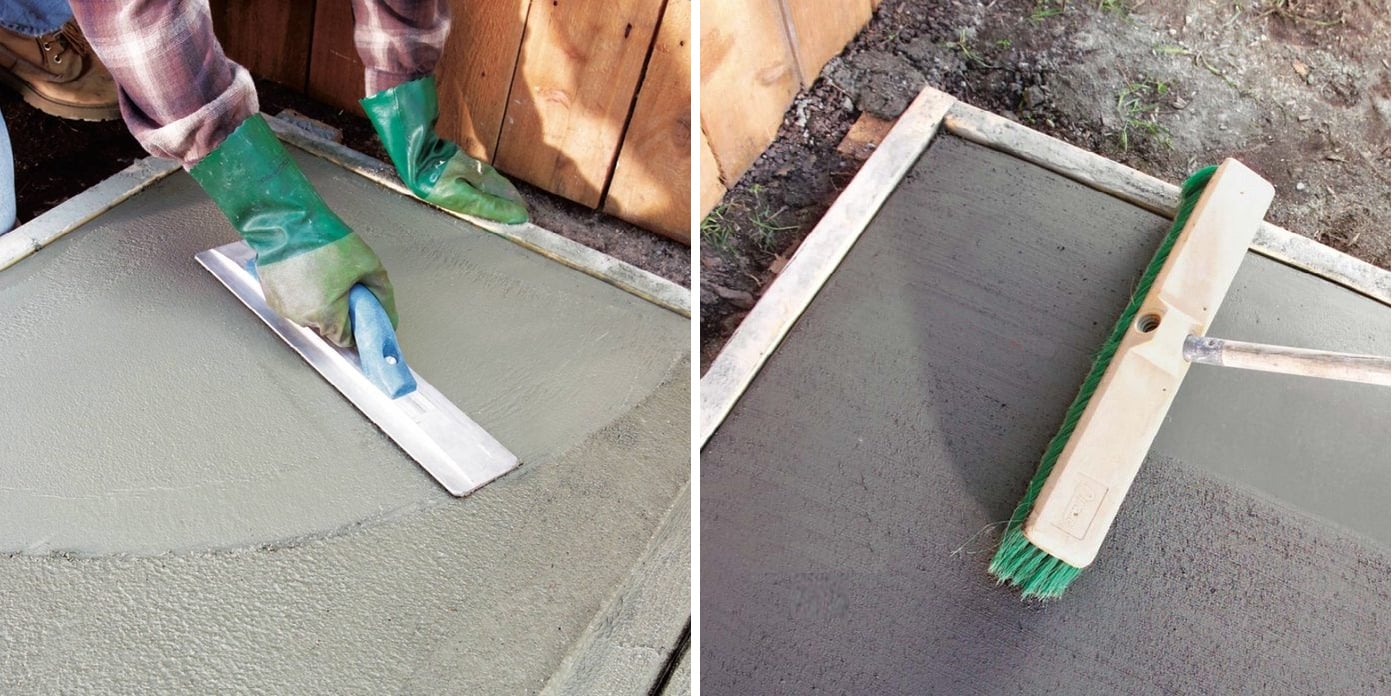
- Smooth the Surface
Use a trowel to smooth the surface of the wet cement. - Add Texture
For slip resistance, create a texture using a broom or trowel.
Sealing:
- Allow to Cure
Let the cement cure for at least 24 hours before sealing. - Apply Sealant
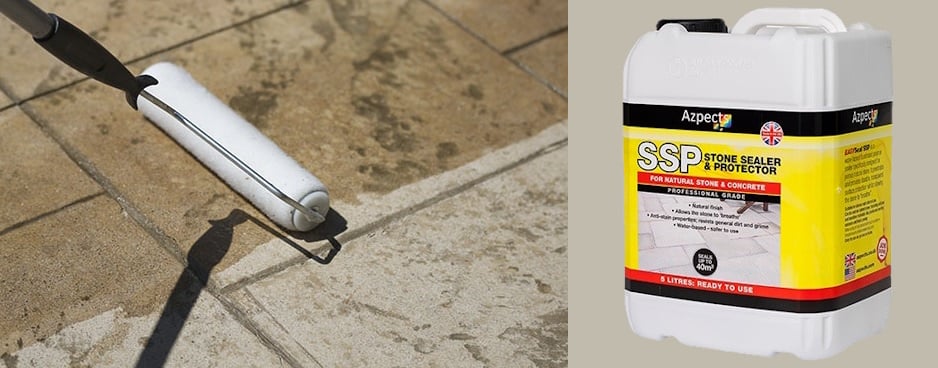
Use a concrete sealant to protect against moisture and wear. Follow the manufacturer’s instructions for best results.
We recommend our EASYSeal Stone Sealer & Protector, suitable for Concrete and Natural Stone
Ensuring Safety During Cement Mixing
Cement mixing involves handling materials that can be hazardous to your health. Follow these safety guidelines to protect yourself:
- Wear Protective Gear
Always wear gloves, safety goggles, and a dust mask to protect your skin, eyes, and respiratory system. - Work in a Ventilated Area
Ensure good ventilation if working indoors to avoid inhaling dust and fumes. - Handle Cement Bags Carefully
Lift with your legs to prevent back injuries and be cautious of sharp edges on the bags.
Best Practices for Equipment Maintenance
Proper cleanup and maintenance of your tools and equipment will prolong their lifespan and ensure they remain effective.
Cleanup:
- Rinse Tools Immediately
Clean tools and equipment with water before the cement hardens. - Use a Stiff Brush
Remove any remaining cement with a stiff brush.
Maintenance:
- Lubricate Moving Parts
Regularly lubricate the moving parts of your cement mixer to keep it running smoothly. - Inspect for Damage
Check tools and equipment for signs of wear and damage, and repair or replace as needed.
Additional Related Articles
Sharp Sand vs Builders Sand
How To Lay Patio Slabs
Complete Guide to Laying Indian Sandstone Slabs
Frequently Asked Questions
How do you mix concrete for beginners?
For beginners, the easiest way to mix concrete is by hand. Combine 1 part cement, 2 parts sand, and 3 parts gravel in a wheelbarrow or mixing tray. Slowly add water while mixing with a shovel until you achieve a workable consistency.
What is the ideal mix for concrete?
The ideal mix for concrete is 1 part cement, 2 parts sand, and 3 parts gravel. This mix provides a good balance of strength and workability for most construction projects.
What is a 1 2 3 concrete mix?
A 1 2 3 concrete mix refers to a mix ratio of 1 part cement, 2 parts sand, and 3 parts gravel. This is a common mix ratio used for making concrete.
By following these steps and tips, you’ll be able to mix cement effectively for your garden paving and other DIY projects. Happy mixing!